

Young children often understand far more than they can put into words. A toddler may not be able to explain why a rainstorm is exciting, but they might stomp in puddles, paint swirling grey shapes or build a shelter from blocks. The 100 languages of children, a concept from the Reggio Emilia approach, recognises that children express ideas, feelings and theories in many ways beyond speech. Understanding this idea helps parents and educators notice, value and respond to the full range of ways children communicate.
Where the Idea Comes From
The phrase comes from Loris Malaguzzi, the educator who helped shape the Reggio Emilia approach in post-war Italy. He described children as having many ways of thinking, playing, imagining and expressing themselves, and argued that schools often narrow these down to only speaking and writing. The number 100 is not meant literally. It is a reminder that children’s expressive abilities are broad and varied, and that each one deserves attention.
Seen this way, communication becomes much more than words, as the languages below show
.
Languages Children Use Beyond Words
Each of the following gives children a different way to share what they know and feel.
Drawing and Painting
Marks on paper often reveal how children see the world. A drawing of a family might show who feels most important through size or placement, while a painting can capture mood through colour. Asking a child to describe their artwork, rather than guessing what it shows, often uncovers ideas they could not have explained otherwise.
Sculpting and Building
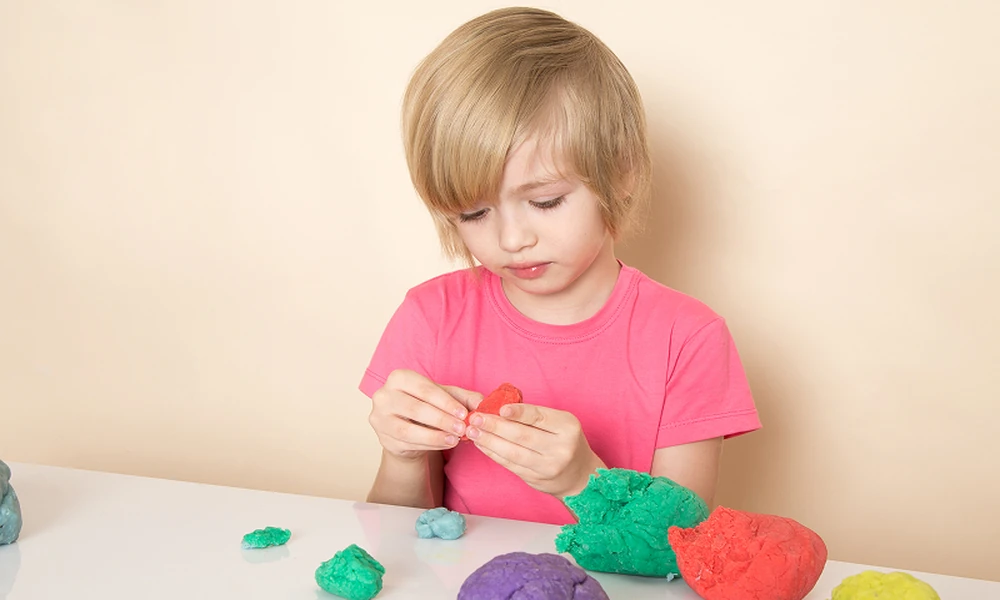
Clay, wire, blocks and recycled materials let children turn ideas into three-dimensional forms. Building a bridge or modelling an animal helps them test theories about balance, structure and how things work.
Movement and Gesture
Children frequently use their bodies to communicate, from acting out a story to pointing, jumping or dancing when excited. Movement can express feelings that are hard to name, such as frustration or joy. Many teachers at a preschool in Singapore that draws on Reggio-inspired practice include movement in daily routines, giving children space to show understanding physically.
Music and Sound
Humming, tapping rhythms and experimenting with instruments allow children to explore patterns and emotions. A child might create loud, fast sounds to represent a thunderstorm or soft ones to describe falling leaves. Sound gives children another way to show contrast, mood and sequence without needing the words for them.
Pretend Play and Storytelling
Through role-play, puppets and invented stories, children rehearse real-life situations and work through worries. Watching their play can show what is on their minds, such as a new sibling or starting school. Joining in gently, without taking over, can help adults understand the story the child is trying to tell.
Exploring Light, Shadow and Nature
Playing with torches, shadows, leaves and stones invites children to investigate and make discoveries. Arranging natural objects into patterns or tracing shadows on a wall are also ways of expressing curiosity and thinking.
Listening Beyond Words
Recognising these languages means changing how adults observe and respond. Some useful practices include these:
- Offering a wide range of materials so children can choose how to express themselves.
- Observing quietly before stepping in or asking questions.
- Photographing or noting children’s work to revisit and discuss later.
- Asking open-ended questions, such as “Tell me about this,” rather than labelling the work.
These habits help adults treat each form of expression as meaningful communication rather than simply play.
Valuing Every Way a Child Speaks
Children communicate through art, construction, movement, sound, play and exploration long before they can fully explain themselves in words. Paying attention to all these forms of expression helps adults understand children’s thinking more deeply and gives every child more ways to be heard.
Visit E-Bridge Pre-School to see the many ways children express themselves in our classrooms.
