

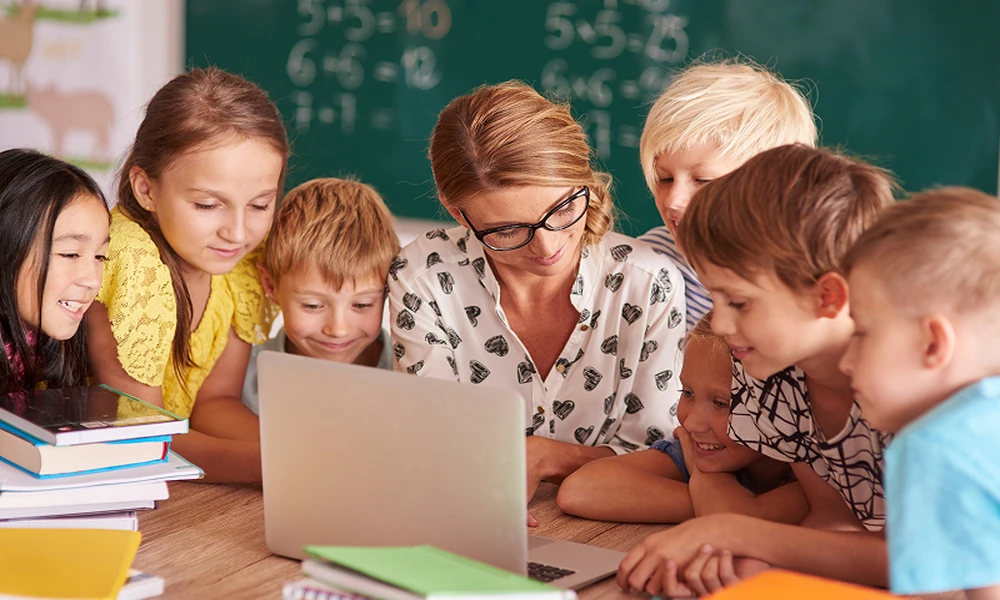
Small Moments of Attention Can Make a Lasting Difference
- Personal attention helps teachers understand each child’s strengths, needs and learning pace.
- Encouragement can build confidence and make pupils more willing to ask questions.
- A balanced curriculum supports academic, creative, physical and social development.
- Timely learning support helps children address difficulties before they become bigger obstacles.
- Strong communication between parents and teachers creates a more supportive school experience.
Why Are the Primary School Years So Important?
A child’s primary school years involve much more than learning to read, write and solve mathematical problems. During this period, children develop habits, social skills and attitudes that can influence how they approach learning as they grow older.
Some pupils enjoy answering questions in class, while others need more time before they feel comfortable speaking up. One child may understand a new concept after a short explanation, whereas another may benefit from examples and hands-on activities. These differences are a normal part of learning.
This is why personal attention matters. When teachers take time to understand their pupils, they can recognise when a child needs encouragement, a different explanation or a greater challenge. Small adjustments can help children feel seen and supported, not left behind.
Parents exploring a private primary school in Singapore should therefore look beyond academic results alone. How a school responds to individual needs, encourages participation, and supports personal growth can meaningfully affect a child’s early education.
How Does Individual Attention Support Better Learning?
Children do not all learn at the same pace. Some grasp new ideas quickly, while others need repeated practice before they feel confident. A classroom that recognises these differences can create more opportunities for every pupil to make progress.
Teachers can provide individual attention in several ways. They may check a pupil’s understanding during a lesson, give additional examples or adjust an activity to suit different ability levels. A child who finds a topic difficult may receive extra guidance, while a pupil who has mastered it can be given a more challenging task.
Class size can also influence how easily teachers notice these needs. At NPS International School, primary classes have an average of 25 students. This allows teachers to work with pupils individually while maintaining a shared classroom learning experience.
The school’s primary programme draws on the Cambridge curriculum and uses experiential learning to help children develop knowledge and skills. Through varied learning resources and classroom activities, pupils can explore ideas rather than rely only on memorisation.
For families considering a private primary school in Singapore, it is worth asking how teachers monitor progress and respond when a child needs help. A supportive approach should encourage pupils to keep trying while giving them the guidance they need to improve.
Why Should Schools Look Beyond Academic Performance?
Academic knowledge is important, but a child’s development cannot be measured through test scores alone. Primary school pupils also need opportunities to express themselves, work with others, explore their interests and develop healthy habits.
Creative and physical activities can contribute to this growth. Art encourages children to experiment with ideas, while music and drama give them ways to communicate and express themselves. Sports and physical education help pupils develop coordination, teamwork and respect for others.
NPS International includes art, music, drama, physical education and yoga as additional curricular offerings for primary pupils. These experiences complement classroom learning and allow children to discover interests beyond their core subjects.
A broad education can also help pupils develop confidence. A child who feels unsure about speaking during a lesson may find it easier to express an idea through a group activity or creative task. Such experiences can help them recognise their abilities in different settings.
When comparing an international school in Singapore with other educational options, parents should consider how the curriculum balances academic learning with creative, physical and social development. A well-rounded programme gives children more ways to participate and grow.
How Can Teachers and Parents Work Together to Support a Child?
Children benefit when the adults around them share information and work towards consistent goals. Parents may notice changes in behaviour or study habits at home, while teachers can observe how a child responds to lessons and classroom activities. Sharing these observations can help both sides understand what the child needs.
Communication should be open and practical. If a pupil struggles with a subject, parents and teachers can discuss possible reasons and agree on suitable ways to help. The child may need more practice, a clearer explanation or additional learning support. Regular feedback also allows parents to recognise progress rather than focus only on areas that need improvement.
NPS International School describes its learning support approach as inclusive. Teachers use classroom strategies and differentiated instruction to address many learning needs. When additional help is required, the Learning Support Team works with class teachers to plan targeted interventions. Support may take place in the classroom, in small groups or individually, depending on the pupil’s needs.
This approach is important because support should help children become more independent over time. The aim is not simply to complete a task for them, but to build the skills and confidence needed to manage future challenges.
Parents considering an international school in Singapore can ask how the school identifies learning needs, communicates progress and involves families in support arrangements. These conversations can offer a clearer picture of how the school cares for its pupils.
Give Your Child Room to Grow With Confidence
The formative school years shape more than a child’s academic foundation. They also influence confidence, curiosity, independence and the way children relate to others. Personal attention helps teachers recognise these developing qualities and provide guidance that reflects each pupil’s needs.
Choosing a school is therefore about finding an environment where children can learn, explore and feel supported. Contact NPS International and explore its primary school programme to understand how its curriculum, learning support and wider activities contribute to children’s development. With the right encouragement, pupils can build strong foundations for the years ahead.
