

Most beginners assume violin lessons in singapore start with learning tunes. The better ones start with learning how to stand, how to hold the bow and how to listen, because the violin rewards good habits and punishes bad ones for years. Adult beginners in particular benefit from understanding why each technique matters, since they can practise more deliberately once they know what they are aiming for. This guide explains the core techniques a beginner works on in the first months and how lessons are usually structured to build them step by step.
Posture and Holding the Violin
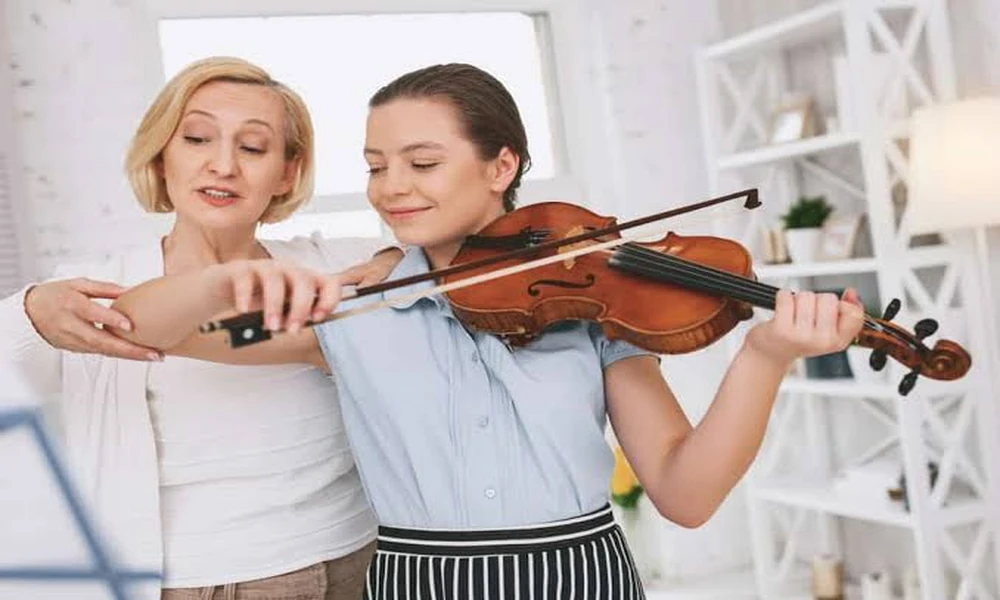
Everything starts with posture. The violin rests on the left collarbone and is supported by the jaw and shoulder, with a chin rest and shoulder rest set to suit the player’s build. The left hand supports the neck lightly rather than gripping it. Tension anywhere, in the neck, shoulders or wrist, affects tone and leads to fatigue. A good teacher spends time adjusting this in the first lessons, and checks it again regularly as the student progresses.
The Bow Hold
The bow hold is one of the hardest skills to master, because it must be both secure and relaxed. The thumb bends slightly against the frog, the fingers rest gently on the stick, and the little finger balances on top. Many beginners grip too hard, which produces a scratchy sound. Teachers often use simple exercises away from the instrument to build a flexible hold. It can take weeks to feel natural, which is entirely normal. Checking the hold in a mirror during practice helps catch tension before it becomes a habit.
Producing a Good Tone
Tone depends on three things working together:
- Bow speed, which affects the length and lightness of the sound
- Bow pressure, which affects volume and richness
- Contact point, meaning where the bow meets the string between bridge and fingerboard
Beginners usually practise long bows on open strings to learn how these combine. It is slow work, but it builds the foundation for everything else.
Finding the Notes
Unlike fretted instruments, the violin has no markers for where to place the fingers. Beginners learn finger patterns for each string, and some teachers use small tapes on the fingerboard as a temporary guide. Listening is essential. Students learn to compare their notes with open strings or a tuner and adjust. Good intonation grows gradually through scales and slow practice. Most violin lessons in singapore for beginners include regular scale work for exactly this reason.
Coordinating Both Hands
Once the bow and left hand each work on their own, the challenge is coordinating them. Changing strings, placing fingers in time and keeping the bow moving smoothly all need practice. Simple pieces and exercises help build this coordination step by step. Teachers often slow everything down so the student can concentrate on one movement at a time. Speed comes later, once the movements are reliable and relaxed. Practising with a slow metronome setting makes the timing of each change easier to hear.
Reading Music
Many beginners learn to read music alongside their playing. Violin music is written in the treble clef, and early pieces use simple rhythms and a small range of notes. Some teachers start by ear and introduce notation gradually. Either approach can work, but reading music opens up more repertoire and is required for graded exams. Adults often find reading easier than children, since they can apply logic and pattern recognition. Learning to count rhythms aloud before playing them is a useful early habit.
How Lessons Are Structured
A typical lesson includes a warm-up, technical work such as scales or bowing exercises, a piece or study, and a clear practice plan. Lessons usually last thirty to sixty minutes, depending on level and age. Weekly lessons are most common, since the teacher needs to check posture and correct habits regularly. Adults who can practise more may progress faster with longer lessons. Ask the teacher how they plan each stage of learning.
Practising Effectively
Short, focused practice beats long, unfocused sessions. Beginners benefit from these habits:
- Practising daily, even for fifteen minutes
- Starting with open strings to check tone
- Working on small sections slowly before speeding up
- Recording themselves to hear progress over time
A teacher should give specific tasks each week so that practice has a clear purpose.
Choosing an Instrument
Adult beginners usually play a full-size violin, while children use fractional sizes. A well set-up instrument makes learning much easier. Poor strings, a badly fitted bridge or pegs that slip can make even correct technique sound bad. Renting is a sensible choice at first. Ask the teacher to check any instrument before buying. Many studios can advise on suitable beginner violins in a reasonable price range.
Getting Started the Right Way
Beginning the violin is a long project, and the first months set the tone. Choose a teacher who explains each technique clearly, corrects posture early and gives structured practice tasks. Be patient with slow progress in tone and intonation, since everyone goes through it. With steady weekly lessons, many adults who enrol in a violin class for adults in Singapore find that the instrument becomes one of the most rewarding skills they have learned.
