

Key Highlights
- Children who enjoy independent play can still benefit from group experiences.
- Playgroups provide opportunities for gradual social interaction.
- Early exposure to peers can help build confidence and communication skills.
- Every child adapts to group settings at their own pace.
Introduction
Many parents notice that their child seems perfectly content playing alone. Independent play can be a positive sign of concentration, creativity, and self-confidence. However, some parents begin to wonder whether a child who prefers solitary activities would benefit from spending time in a group environment.
Questions often arise when considering enrolment in playgroups in Singapore. Parents may worry that a child who enjoys playing independently will feel overwhelmed, uncomfortable, or reluctant to participate alongside peers. Such concerns are understandable, especially when a child has limited experience interacting with larger groups.
Understanding how young children develop social skills can help parents make informed decisions. In many cases, a supportive playgroup and nursery environment provides valuable opportunities for growth without forcing children to abandon their natural preferences.
Independent Play Is a Normal Part of Early Development
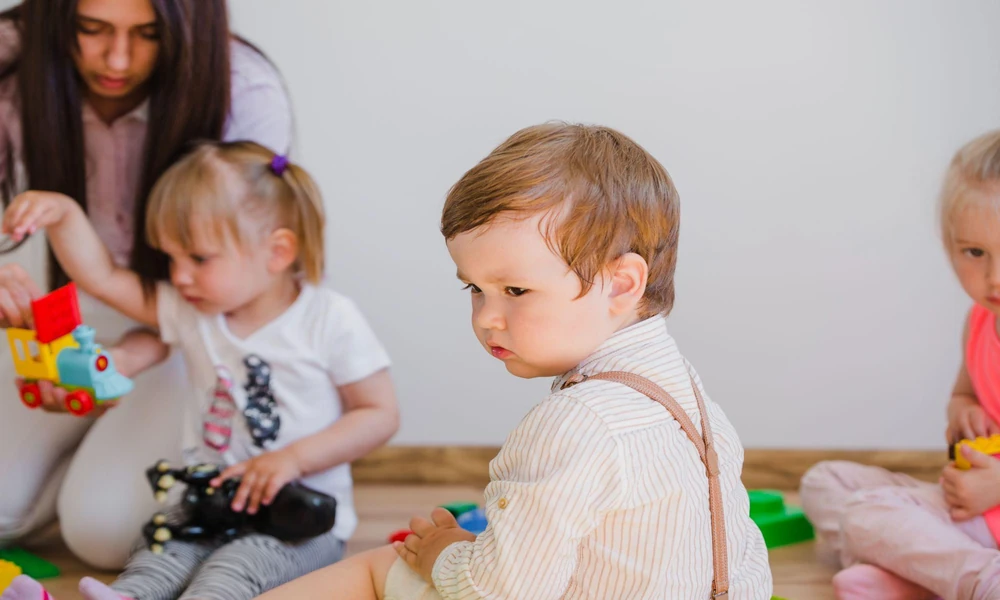
Many young children naturally prefer playing by themselves when they are very little. This everyday behaviour is a completely normal part of growing up, showing that a child is simply focused on exploring their toys and figuring out how things work. Toddlers often like sitting right next to other kids without actually talking or sharing things with them.
Early childhood experts call this parallel play, and it just means your little one is learning by watching how others behave around the room. Checking out various playgroups in Singapore gives you a great chance to see how different places handle these unique learning steps.
Every toddler learns at their own speed, meaning quality programmes must give kids plenty of time to find their feet comfortably. Having this extra breathing room helps shy children build up their confidence before joining in with the rest of the class.
Group Settings Encourage Gentle Social Growth
Joining a warm, friendly playgroup and nursery school does not mean your toddler has to become a social butterfly straight away. Good teachers organise daily playtime to help children slowly mix with others without pushing them too hard or ignoring their natural personality. Kids who start off playing alone usually spend their first few days just watching their new classmates from a distance.
As the weeks go by, simple curiosity usually makes them want to join in with morning songs, fun group games, or easy art projects. These shared moments give little ones an easy, natural way to pick up talking skills and understand basic sharing.
Confident behavior grows when children have lots of fun, positive experiences in the classroom. Patient teachers know exactly how to make shy toddlers feel safe and happy as they try out new group activities.
Social Skills Develop Through Everyday Experiences
Learning how to mix with others is about much more than just making best friends at school. Toddlers pick up huge life lessons through simple, everyday moments with their classmates and teachers. Learning to take turns with toys, listening to simple rules, and explaining their feelings are all massive parts of early childhood learning.
Enrolling your toddler in active playgroups in Singapore helps them try out these cooperative skills through fun, laid-back afternoon activities. Group story sessions, messy sensory play, and music classes give kids a chance to hang out together without feeling any pressure to perform.
Children who usually like playing solo still learn a lot just by being in the room. Regular exposure to a group makes them much more confident when talking, sharing, and playing with other children.
Finding the Right Environment Matters
Every single early childhood centre operates a bit differently from the next one. When you start looking at a local playgroup and nursery choice for your toddler, it is smart to check out the general vibe and the teachers instead of just looking at the fancy toys. The school atmosphere and the way staff talk to the kids can make a massive difference to how easily your child settles in.
A good school always understands that little children grow and change at completely different rates. Teachers need to be incredibly patient, sweet, and ready to help every individual child instead of expecting every toddler to behave exactly the same way.
Parents can help make the move easier by staying relaxed and keeping their expectations down to earth. Finding a place that loves slow, natural growth ensures a happy start to school life.
Conclusion
A child who prefers playing alone is not necessarily unprepared for a group setting. Independent play is a natural and healthy part of early childhood development. Through supportive experiences, playgroups can provide opportunities for social growth, confidence building, and new forms of learning. With the right environment and encouragement, children can enjoy the benefits of group interaction while continuing to develop according to their own unique personalities.
Check out Wharton Preschool to find a warm, supportive space where your child can learn to share, play, and grow with confidence at their own pace.
