From play-based learning to bilingual curricula, there’s no shortage of options for young learners today. Playgroup and preschool models evolve, shifting toward creativity, social growth, and curiosity-driven education. Parents are asking tougher questions, comparing more carefully, and seeking value beyond price tags. But one question always remains: How much should preschool really cost?
Fees Meant Prestige
A decade ago, many parents associated higher fees with higher quality. However, effective learning is the foundation of quality, which lies in the relationships between teachers, children, and parents and in creating a supportive space for growth. The conversation around preschool fees in Singapore is gradually moving away from “How expensive is it?” to “What value does my child gain?”
Playgroups That Redefine Value
Modern playgroup and preschool programmes are challenging traditional thinking by focusing on meaningful learning rather than rote performance. Every dollar spent should translate into a richer, more engaging experience for children. Today’s play-based curricula promote creativity and independence that prepare children for both academic success and emotional intelligence later in life.
Parents are realising that early education is a journey that should nurture a child’s natural curiosity. Some centres balance affordability with strong educational philosophies, prioritising teacher training, diverse activities, and holistic development. This approach has shifted the perception of value away from luxury and towards substance.
Parents Want to See Where the Fees Go
Transparency is becoming a new expectation. Parents are far more discerning and financially literate. They want to understand how schools allocate funds, from teacher qualifications to enrichment programmes and learning materials. Leading schools are responding by breaking down fee structures and showcasing how each component contributes to a child’s learning environment.
This transparency helps parents see the tangible link between cost and educational quality. When schools clearly communicate value, fees feel justified, and trust between families and educators deepens.
Learning Through Joy
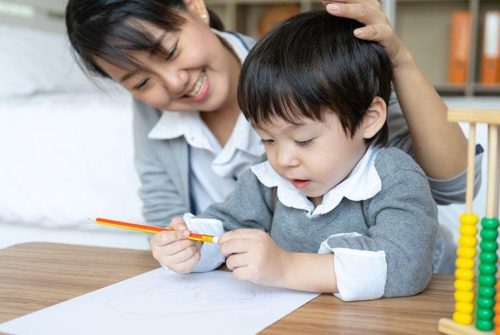
The idea of “play” has long been misunderstood as something secondary to “real learning.” That’s why forward-thinking preschools in Singapore are flipping the narrative. Instead of focusing on memorisation or rigid testing, many playgroup programmes now prioritise interactive, sensory-rich experiences.
Children learn best when they’re engaged, whether they’re exploring textures during art sessions, collaborating during building games, or discovering nature outdoors. The goal is to create environments where exploration leads to learning naturally, without pressure. These progressive curricula are proof that great learning highlights how a strong philosophy and passionate teachers can make all the difference.
Why Preschool Fees in Singapore Vary So Widely
Parents often wonder why one preschool costs twice as much as another. A Montessori-based preschool may require specialised materials and training, influencing costs. There are schools that invest in certified early childhood educators, and often reflect this in their pricing. Smaller groups and safer, well-equipped environments, on the other hand, can raise operational costs. Subsequently, bilingual education, enrichment classes, and music or sports add both value and expense.
However, the best schools recognise that affordability and excellence don’t have to be mutually exclusive. Many are rethinking their operational models to offer quality without excess. This shift marks an important change in how preschool fees in Singapore are perceived, from being a financial burden to a meaningful investment.
Balancing Quality and Affordability
Singapore’s childcare and education landscape now offers diverse options, each striving to meet the needs of different families. Parents today are less concerned with prestige and more focused on balance: ensuring their children receive nurturing, holistic education without unnecessary financial strain.
This growing awareness has led to more collaboration between educators, policymakers, and parents. The focus is on shared goals: preparing children for a lifetime of learning, confidence, and creativity.
The Role of Playgroups in Early Transitions
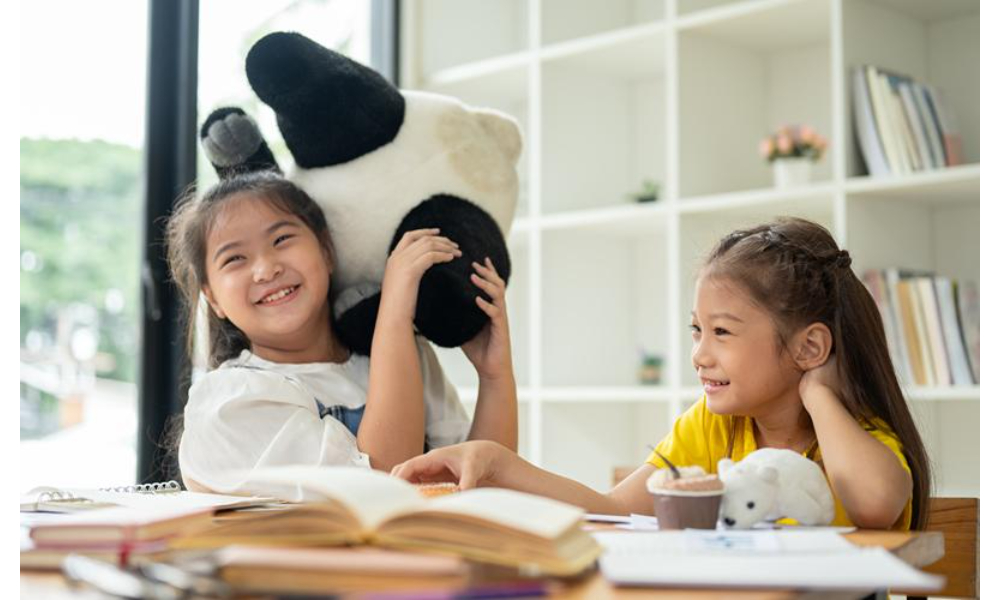
Playgroups have emerged as an essential bridge between home and preschool. For toddlers, joining a playgroup provides early exposure to socialisation, routine, and sensory experiences for emotional readiness.
These short, interactive sessions often form the first step into structured learning, helping both parents and children adjust gradually. Affordable, flexible, and accessible, playgroups represent one of the most valuable early education investments available to families. Their long-term impact on social confidence and curiosity is undeniable.
Education is Worth Every Dollar
It’s clear that the conversation around preschool fees in Singapore is changing for the better. Parents are no longer swayed by marketing buzzwords or glossy brochures. They’re seeking substance, authentic experiences that nurture both heart and mind. And this is where the new generation of playgroups and preschool programmes truly shines. By breaking the mould and redefining what quality means, they’re proving that great education comes with thoughtful design, passionate teachers, and a commitment to joy-filled learning.
Explore Raffles Kidz International today and reimagine what early learning should be.