

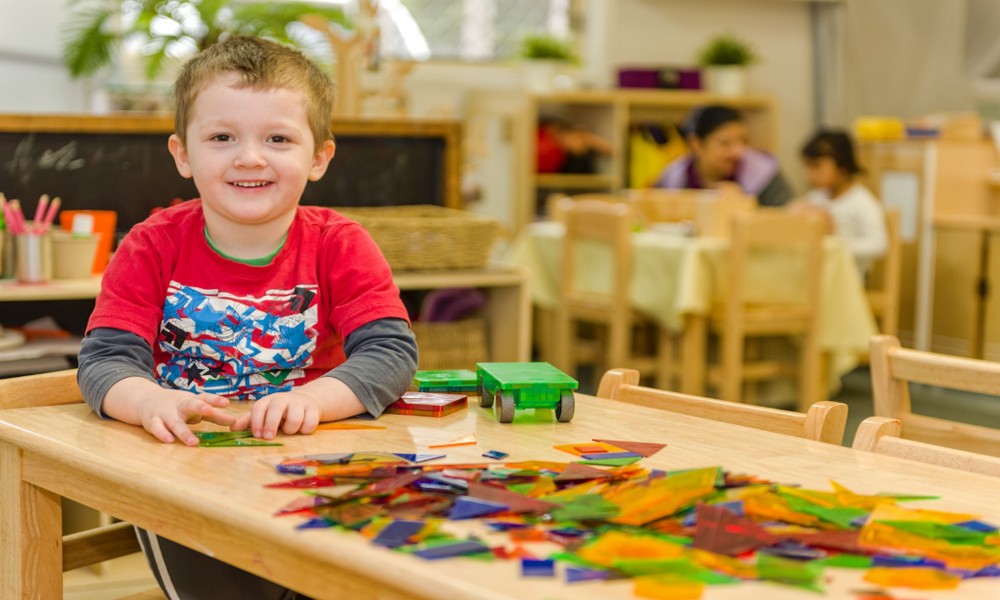
Most families tour a centre, get a feel for it, and enrol. That’s usually how it goes. What they’re rarely told is that the things worth looking for aren’t visible on a tour -they’re happening in the daily rhythms, the small interactions, the way an educator responds when a child falls apart at drop-off. A well-run Redbank plains early education centre shapes children in ways families can only fully recognise years later-when something clicks in their child that they can’t quite trace back to anything specific.
The Settling-In Period Is Serious
Starting early education isn’t just an emotional adjustment. It’s a neurological one. A young child’s stress response is actively shaped by early experiences with unfamiliar adults – and how that first period of care is handled leaves a real mark. Not a dramatic one. A quiet one. Children who are genuinely settled by a trusted educator, rather than simply getting used to being left, grow up approaching new environments with curiosity rather than caution. That difference shows up in classrooms years later. Most parents are unaware that the initial weeks of care, during moments they never witnessed, shaped their child’s development.
What Good Educators Never Stop Doing
There’s a specific kind of exchange that drives language development in young children. It’s not reading aloud or naming colours; it’s called ‘serve and return’. A child points at something, starts a sentence, and makes a sound. A present, attentive adult responds with genuine engagement, builds on it, and waits. That back-and-forth, done consistently across a whole day, physically shapes how the brain wires for communication. An educator managing too many children, or simply going through the motions, cannot do this type of interaction well. Families rarely know to watch for it. But it’s one of the sharpest quality signals there is – and its absence is noticeable, if you know what you’re looking for.
The Room Is Telling You Something
Walk into a quality Redbank Plains early education centre, and something becomes obvious pretty quickly – the children are moving with purpose. They know where things are. They make choices without waiting to be directed. That’s not accidental. A well-designed room gives children the cues to self-regulate, focus, and initiate. An overstimulating, cluttered one keeps them reactive and dependent on adult instruction. The difference between a child who initiates and one who waits is one of the clearest early indicators of how they’ll approach learning for years. The room is doing that, one way or the other.
When Conflict Is the Lesson
Parents wince when their children are in a dispute at the centre. Educators with real experience see it differently. Conflict between young children-navigating with coaching rather than rescue- is some of the most important developmental work of the early years. The educator’s job isn’t to prevent friction. It’s to stay close enough to guide without taking over. Experienced educators at a Redbank Plains early education centre understand the difference between a moment that needs stepping in and one that needs space. Coaching children through disagreement equips them with self-advocacy skills that most adults secretly wish they possessed.
Staff Tenure Reveals Everything
Families ask about qualifications. They seldom ask how long the educators have actually been there. That second question matters more. Turnover in early childhood settings is genuinely common, and children absorb its effects in ways that aren’t immediately obvious. A child who loses a trusted educator mid-year doesn’t have a meltdown about it. They just become a little more guarded. They become slightly less inclined to invest in the next adult. Over time, across repeated disruptions, that guardedness compounds. A centre that holds onto its people almost always does so because those people feel genuinely valued- and that culture shows up in every interaction children have, every single day.
Conclusion
The things that make early education genuinely good are rarely in the brochure. A quality Redbank Plains early education centre does careful, specific work that most families only recognise in retrospect-when their child handles a difficult transition well, makes friends without drama, or walks into a new classroom as they belong there. That confidence wasn’t accidental. It was built early, in a place that understood exactly what those first years were actually for.
