

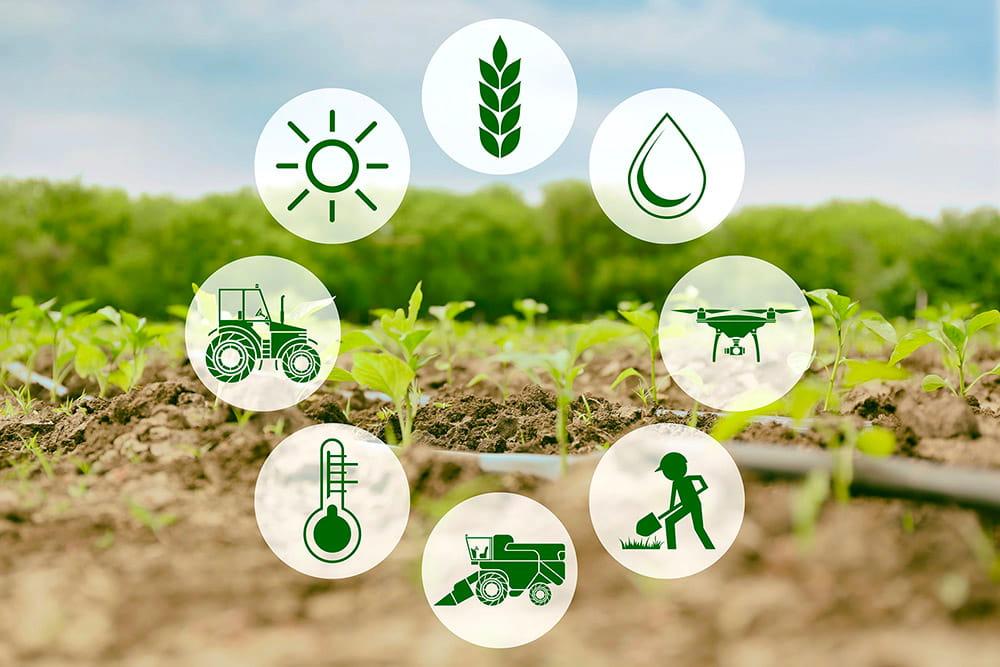
Marathahalli, a buzzing suburb of Bangalore, has long been recognised for its vibrant IT hub, bustling streets, and ever-growing population of tech enthusiasts. But in 2025, the spotlight has shifted to a new frontier: Precision Agriculture powered by Data Science. This convergence is reshaping our perspective on farming, food security, and sustainable development. As agriculture faces challenges such as climate change, resource limitations, and population growth, data-driven innovation is providing solutions that are both impactful and scalable.
The neighbourhood of Marathahalli, with its proximity to top research institutions, startups, and innovation labs, is playing a crucial role in the deployment and study of precision agriculture systems. With an increasing number of professionals enrolling in data scientist classes, the region is quickly becoming a centre for agricultural analytics excellence.
What is Precision Agriculture?
Precision agriculture refers to the practice of using advanced technologies—such as GPS, IoT sensors, drones, AI, and machine learning—to monitor and optimise agricultural practices. Unlike traditional farming methods, which apply uniform treatments to large areas, precision agriculture enables site-specific management of crops.
This means water, fertilisers, and pesticides are used exactly where needed, minimising waste, improving yield, and protecting the environment. Data science serves as the backbone of this system, enabling the collection, analysis, and interpretation of massive datasets related to soil quality, crop health, weather patterns, and equipment usage.
Why 2025 is a Breakthrough Year?
Several technological breakthroughs are making 2025 a landmark year for precision agriculture:
- Real-Time Satellite Imaging and Drones
New-generation satellites and agricultural drones can now provide real-time updates on crop health, soil moisture, and pest infestations. These images are instantly processed using AI-powered algorithms to generate actionable insights for farmers.
- IoT-Driven Smart Sensors
Sensors embedded in the soil or attached to plants can track pH levels, temperature, humidity, and nutrient concentrations in real-time. This year, more affordable sensor options have entered the market, allowing even small-scale farmers to access precision agriculture tools.
- Predictive Analytics for Yield Forecasting
Thanks to AI and machine learning, farmers can now predict yields with unprecedented accuracy. This allows for better financial planning, inventory management, and resource allocation.
- Automated Farm Equipment
Autonomous tractors and harvesters, powered by computer vision and GPS, are reducing labour costs and increasing efficiency. Many of these machines are now integrated with mobile apps and cloud systems for remote monitoring.
- Blockchain for Food Traceability
Blockchain is being used to trace produce from farm to fork. This not only ensures food safety and quality but also builds consumer trust. Traceability also allows for better regulation of organic and sustainable farming practices.
Role of Data Science in Precision Agriculture
Data science integrates diverse streams of information—from climate data to crop genomics—and provides insights that were previously impossible to obtain. Here’s how:
- Data Collection: Modern farming tools continuously collect data from sensors, drones, and satellite feeds.
- Data Cleaning and Integration: Raw data is cleaned and merged across sources using data engineering techniques to ensure accurate and consistent data.
- Model Development: Machine learning models are developed to detect patterns, predict diseases, recommend irrigation, and forecast yields.
- Visualisation: Interactive dashboards and mobile apps enable farmers to interpret complex datasets easily.
- Decision Support: Based on model outcomes, farmers are advised on when to plant, irrigate, apply pesticides, or harvest.
With the growing need for talent in this niche, many professionals are turning to data scientist classes to acquire domain-specific skills in agricultural analytics.
Marathahalli: A Growing Hub for Agri-Tech Talent
Marathahalli’s strategic location, near major tech parks and educational institutions, makes it a favourable zone for data science innovation. It’s not uncommon to see startups in coworking spaces developing machine learning models tailored for crop management or AI systems designed for pest detection.
The increase in agricultural analytics jobs has led to a surge in demand for upskilling. Enrolling in a Data Science Course in Bangalore has become a popular choice for professionals from software development, life sciences, and even mechanical engineering backgrounds who wish to contribute to this green revolution.
Real-Life Applications Seen in Karnataka
Here are a few real-world examples from Karnataka that demonstrate the power of data-driven agriculture:
- Millet Mapping in North Karnataka: A local agri-tech firm collaborated with data scientists to use satellite imagery and machine learning to identify the best regions for millet cultivation, promoting sustainable food crops.
- Paddy Crop Water Optimisation in Mandya: Farmers utilised soil sensors and AI models to monitor moisture levels, resulting in a 30% reduction in water usage while maintaining yield.
- Disease Detection in Tomato Farms near Kolar: Using smartphone cameras and image-recognition algorithms, farmers received real-time alerts about fungal infections before they could spread.
Education Fuels Innovation
The demand for professionals with expertise in both agriculture and data science is driving curriculum innovation in local institutes. Several Bangalore-based institutions now offer specialisations in Agri-Tech within their data science programs. These modules combine the study of agronomy, GIS data, machine learning, and sustainability.
This trend is powerful in Marathahalli, where weekend bootcamps, hackathons, and industry collaborations are fostering real-time projects in crop analytics, resource optimisation, and agri-business forecasting.
The Future Outlook: Green, Smart, and Data-Driven
Precision agriculture will continue to evolve as sensor technology advances and AI models become more sophisticated. Marathahalli, with its growing ecosystem of tech talent, academic institutions, and startups, is poised to become a central player in India’s agri-tech story.
In the coming years, expect increased collaboration among government bodies, private enterprises, and academic researchers to address the country’s agricultural challenges through data-driven solutions. With the fusion of sustainability goals and advanced analytics, India is poised to lead the next agricultural technology revolution.
For those who want to play a part in this transformation, enrolling in this course can be a game-changing step toward working on meaningful projects that affect millions of lives.
Conclusion
Precision agriculture is no longer a concept of the future—it’s happening now, and Marathahalli is emerging as a focal point for this transformation. With innovative farming tools powered by AI, machine learning, and real-time analytics, the sector is being reimagined from the roots up. This new era demands professionals who understand both technology and sustainability. That’s why taking a Data Science Course in Bangalore is more relevant than ever for those aspiring to lead in this green revolution.
For more details visit us:
Name: ExcelR – Data Science, Generative AI, Artificial Intelligence Course in Bangalore
Address: Unit No. T-2 4th Floor, Raja Ikon Sy, No.89/1 Munnekolala, Village, Marathahalli – Sarjapur Outer Ring Rd, above Yes Bank, Marathahalli, Bengaluru, Karnataka 560037
Phone: 087929 28623
Email: enquiry@excelr.com
